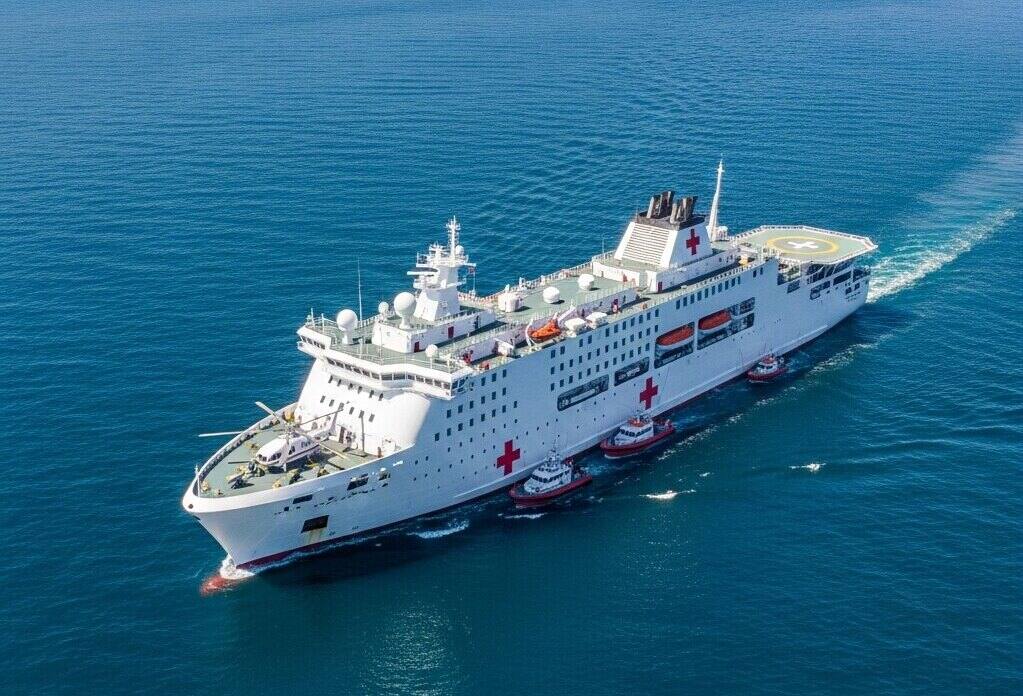
Gaza Medical Mission
A global mobilization of medical professionals supporting Gaza's hospitals.
60%
of Gaza's hospitals are no longer functional
Why We Act
According to the World Health Organization (WHO), 60% of Gaza's hospitals are no longer functional. The UN OCHA reports that the aid entering is far below what is needed to meet basic medical demands.
Local medical teams are overstretched and undersupplied.
More than 12,000 children need urgent treatment to avoid death or severe disability.
International organisations confirm critical shortages of:
Anaesthetics
Diagnostic equipment
IV Fluids
Antibiotics
Chronic condition medicines
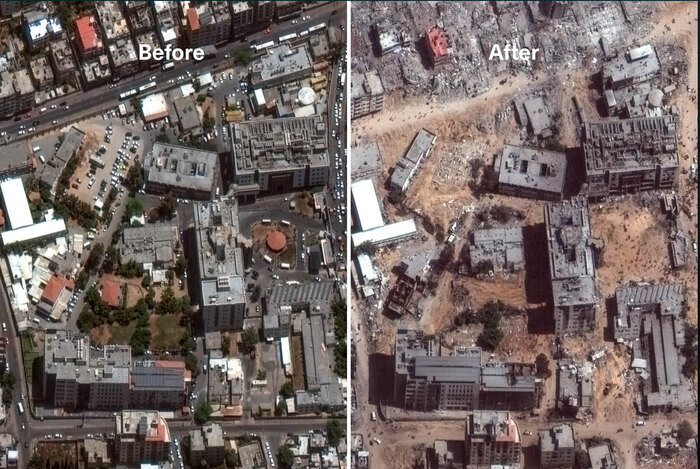
Before and after - al-Shifa Hospital
Source: Maxar Technologies • Captured between October 22, 2023 and March 27, 2024
The Route
If a humanitarian corridor is established, a maritime route allows us to bypass traditional bottlenecks and deliver aid directly where it is needed most. We respond directly to needs expressed by Palestinian healthcare providers.
This mission is coordinated with Palestinian doctors, hospital administrators, and healthcare NGOs.
Bypass Border Delays
Direct access via maritime route
Transport large quantities
Heavy and specialized medical equipment
Reliable supply corridor
Consistent and direct aid flow
Respond to verified needs
Expressed by Palestinian healthcare providers
This is a Global Medical Mobilization
Our mission operates on two critical fronts: supplying material aid and providing human expertise, bringing together medical professionals from multiple continents.
Aiming to mobilize 1,000 healthcare workers to reinforce Gaza's hospitals.
Deliver Vital Medical Supplies
We focus on items that are in severe shortage or currently non-functional inside Gaza, including:
Diagnostics & imaging
Essential tools such as X-ray, ultrasound, and laboratory equipment to restore diagnostic capacity.
Surgical & anesthesia supplies
Operating instruments, anaesthetic medications, sutures, and key consumables needed for urgent and planned surgeries.
Emergency & trauma materials
Trauma kits, IV fluids, wound-care items, and other lifesaving supplies for high-pressure emergency situations.
Medicines for acute and chronic conditions
Antibiotics for adults and children, as well as essential medications for diabetes, kidney disease, and cardiac conditions.
Embedding Medical Teams in Gaza's Hospitals
Upon arrival to Gaza, medical volunteers plan to integrate directly into existing hospitals and clinics to support:
Emergency and trauma care
Reinforcing ER and trauma units facing continuous high caseloads.
Surgical and paediatric services
Assisting in operating rooms, intensive care, and paediatric wards under extreme strain.
Management of chronic diseases
Helping stabilise and follow patients with long-term conditions such as diabetes, renal failure, and cardiovascular disease.
Rehabilitation and technical training
Supporting rehabilitation services and providing on-the-ground training when requested by Palestinian medical teams.
Who We Are
We are an international collective of doctors, surgeons, nurses, humanitarian coordinators, and logistics specialists, united by one goal: supporting Gaza's hospitals and medical teams.
The Gaza Medical Mission is a strictly humanitarian and medical initiative, operating independently on a non-governmental and neutral basis.
The mission is guided by an international Steering Committee composed of senior medical and humanitarian professionals. This Steering Committee operates under the name Doctors to Gaza and defines the mission's medical, ethical, and logistical framework.
Steering Committee
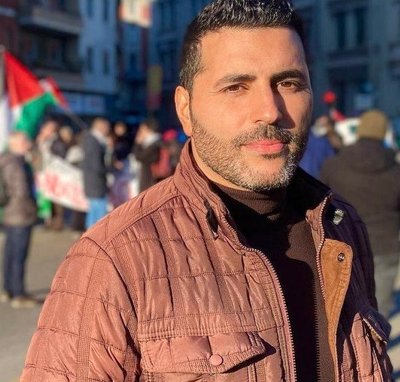
Dr. Hicham El Ghaoui
Emergency and General physician
Emergency and general medicine physician based in Switzerland. In 2024, he travelled to Gaza three times, working alongside his colleagues to manage overwhelming waves of patients in catastrophic conditions, within a health system already devastated …
Read more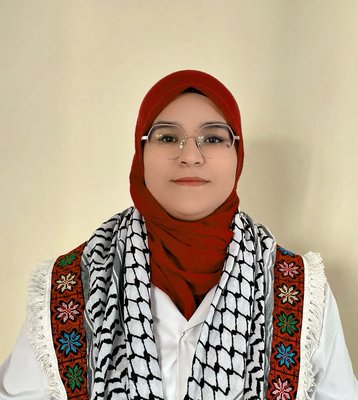
Dr. Warda Mahdhaoui
Family physician
Family Medicine physician with advanced training in Geriatrics and Disaster Medicine. She has taken part in multiple field medical missions, contributing to mobile health operations and community outreach programmes. She is actively engaged in initiatives …
Read more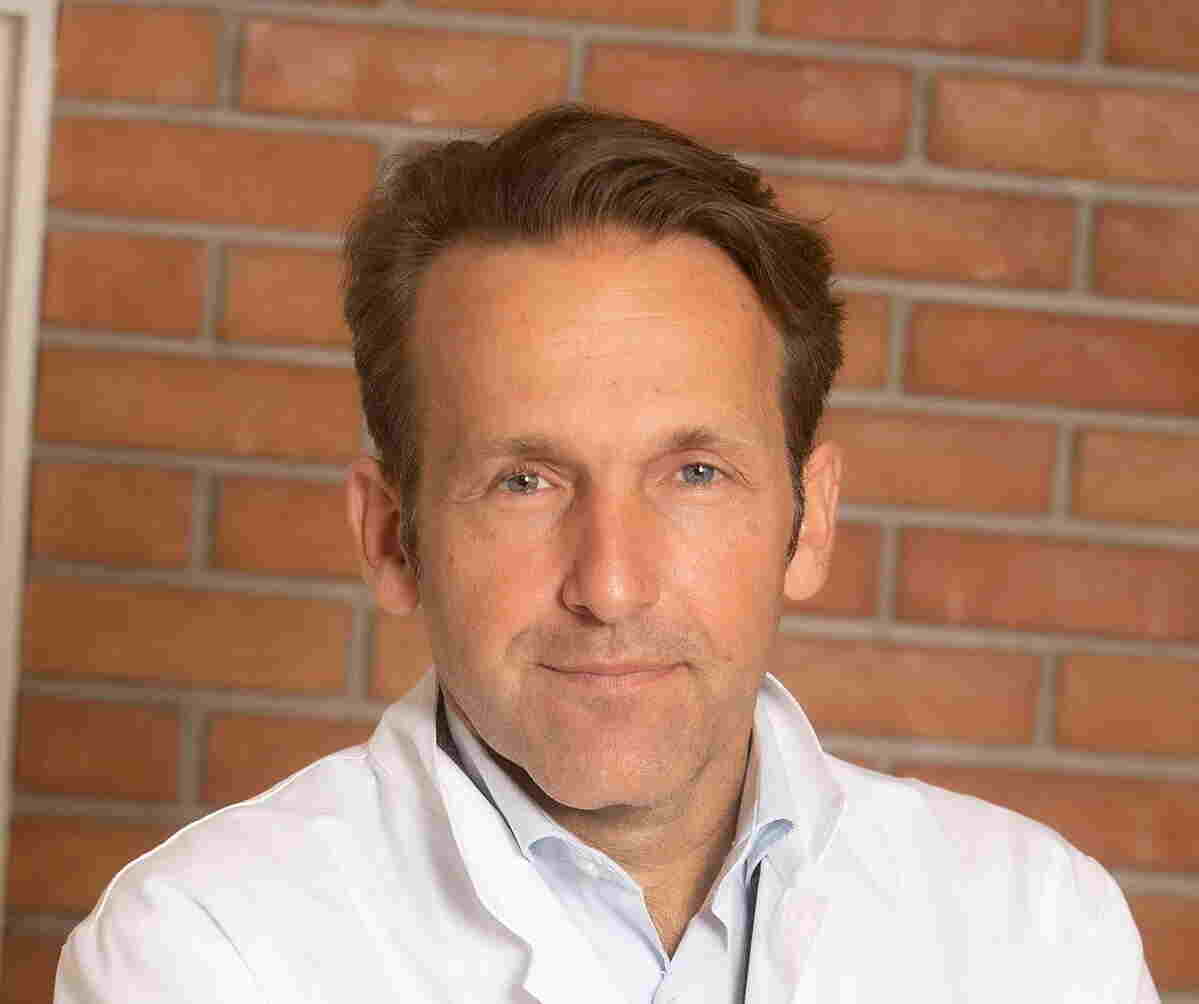
Prof. Christos Georgalas
ENT Surgeon
Internationally recognised ENT surgeon specialising in rhinology and skull base surgery; Professor of Head & Neck Surgery at the University of Nicosia and President of the Greek Rhinology Society. As the most cited Greek otolaryngologist …
Read more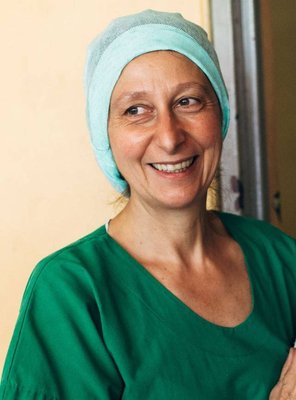
Dr. Anne Moro L'Kaissi
Paediatric Surgeon
French paediatric surgeon specialised in plastic surgery, reconstruction, wound and burns. Committed to global health through humanitarian medical missions. Helps deliver essential medical equipment and provides specialised surgical support to colleagues in Gaza's hospitals.
Read more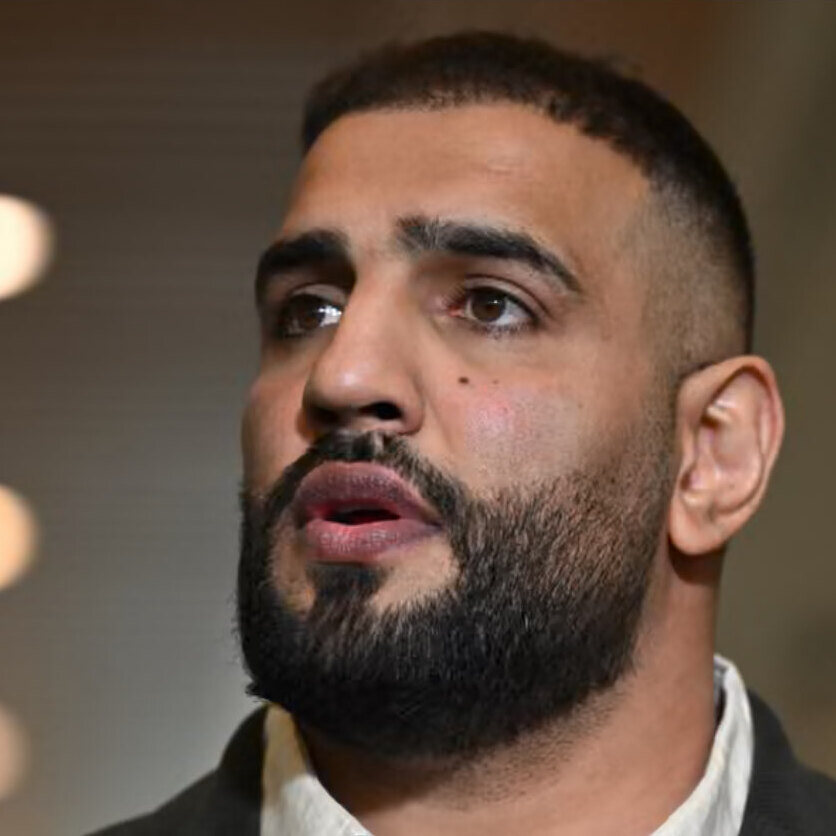
Dr. Mustafa
Emergency Physician Trainee
Dr Mohammed Mustafa is an English-Australian emergency physician trainee and humanitarian of Palestinian heritage. A former international rugby player and the first Palestinian to represent the UK, he is also a European jiu-jitsu champion. He …
Read more
Dr. Yel Graf
General and Internal Medicine physician
A Swiss physician based in Zurich, combining General and Internal Medicine with Somatic Experiencing.Deeply committed to human consciousness, spiritual growth, and universal dignity, she was profoundly affected by the genocide in Gaza, an experience that …
Read more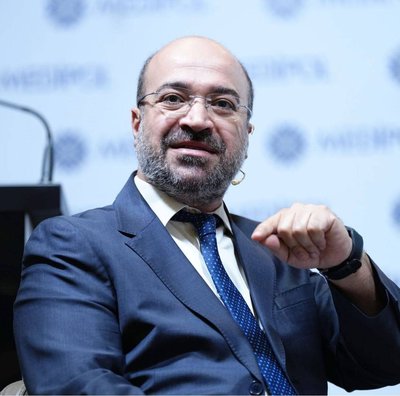
Prof Dr . Muhammed Emin Akkoyunlu
Chest diseases physician
Dr. Muhammed Emin Akkoyunlu was born in Malatya, Türkiye, in 1978. He graduated from the Faculty of Medicine at Dokuz Eylül University in 2001, specialized in chest diseases in 2008, and became a professor in …
Read more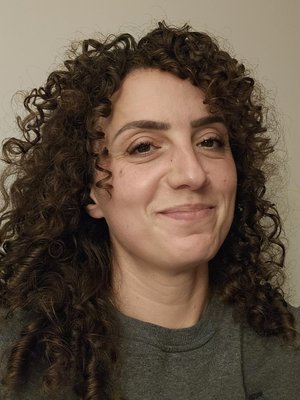
Dr. Albulena Fazliu
Anesthesiologist
Having fled ethnic cleansing and genocide in the early 1990s in the Balkans, where she was born, her childhood experiences of displacement shaped a deep motivation: to support people who also carry stories of trauma, …
Read more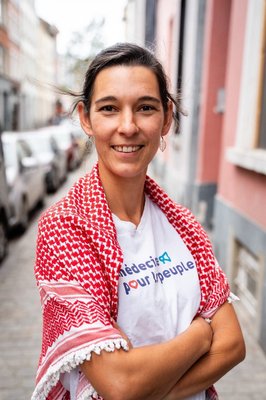
Dr. Hanne Bosselaers
General practicioner
Dr. Hanne Bosselaers is a general practitioner based in Brussels, where she works at a primary Health and Action Center operated by Medicine for the People in Molenbeek. She is the mother of two children, …
Read moreHow to Get Involved
Your expertise and support can save lives.
Become a Volunteer
Are you a: doctor – nurse – surgeon – midwife – paramedic - imaging specialist - other licensed medical professional? Your expertise can immediately strengthen hospital capacity in Gaza.
- Direct integration in hospital teams
- Duration based on availability
- Full safety briefings provided
Donate Supplies
We accept supplies from hospitals, institutions, and manufacturers. All items must meet safety and quality standards.
View Priority Needs ListSupport Financially
Your contribution helps fund: fuel - maritime logistics - protective equipment - priority medical items.
100% of donations go directly to mission costs.
Donate NowFrequently Asked Questions
Upon arrival to Gaza, the team plans to work alongside local healthcare providers to help restore essential services and strengthen long-term medical capacity.
We prioritise items that are severely lacking or unavailable in Gaza, including:
- anaesthetic medications
- surgical materials and consumables
- antibiotics for adults and children
- IV fluids
- diagnostic and imaging equipment
- wound-care materials
- emergency trauma kits
- medicines for chronic conditions
A detailed list can be provided to partner hospitals and donors.
According to several official sources:
- World Health Organization (WHO): over 60% of hospitals are no longer functional, and over 70% of primary care centres are out of service. The situation is described as "a health system pushed beyond its limits."
- OCHA: medical aid entering Gaza "does not even cover basic needs", and access to specialised care is extremely restricted.
- UNICEF: thousands of children are in immediate danger due to lack of urgent and specialised care (trauma, burns, infections, chronic illnesses).
- UNRWA: clinics are overwhelmed, with essential medicines often unavailable.
- Médecins Sans Frontières (MSF): hospitals face severe shortages of IV fluids, sutures, antibiotics, anaesthetics, and basic equipment, leaving facilities "on the verge of collapse."
- International Federation of the Red Cross: warns that without stable access and fuel, otherwise treatable patients will continue to die.
These assessments highlight the urgent need for medical support and reinforcement of hospital systems.
Licensed medical professionals, including:
- doctors
- nurses
- midwives
- surgeons
- paramedics
- radiographers and imaging specialists
- pharmacists
- rehabilitation therapists
Selection is based on specialty, experience, and language skills. Priority is given to those with trauma, emergency, or pediatric expertise.
What GSF offers is rigorous preparation. Every participant receives comprehensive safety briefings grounded in international maritime law and conflict-zone protocols. Mission coordinators maintain continuous communication across all vessels. Security procedures are reviewed and updated in real time based on conditions on the ground and at sea.
There are several ways to contribute:
- Make a financial donation
- Help spread awareness through social media
- Coordinate supply donations from institutions
- Volunteer for logistics and coordination support
Every contribution helps strengthen the mission's impact.